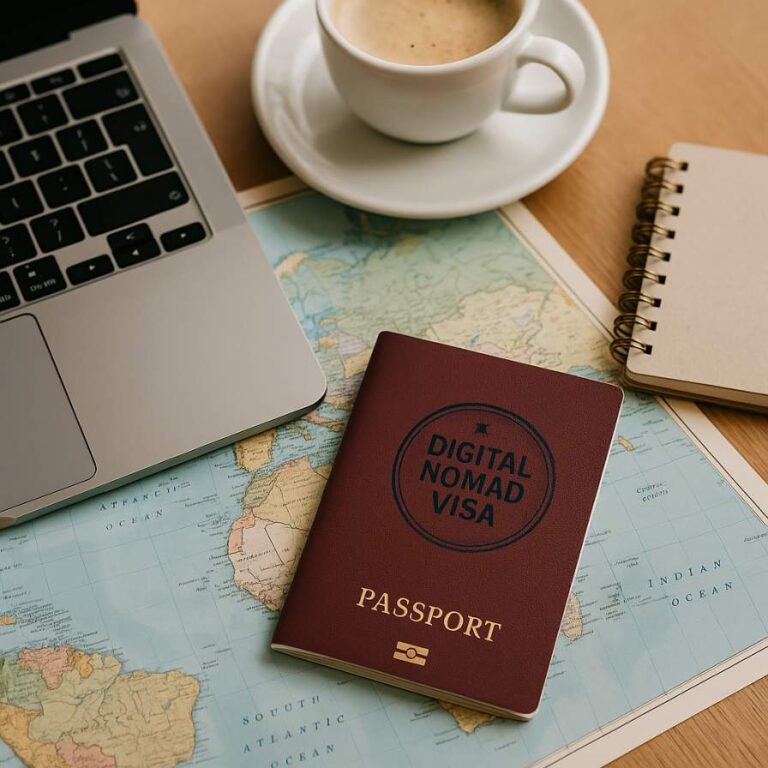
The ultimate guide to becoming a successful digital nomad in 2026
The wish to untie work from a single address has shifted from experiment to a normal career path as 2026 begins. Remote‑first contracts, better cross‑border tax tools, and a global map of coworking hubs make it easier than ever to swap rush‑hour traffic for airport gates. At the same time, more companies are tightening remote policies or pushing hybrid models, so the freedom to work from anywhere is no longer guaranteed but must be designed deliberately.
Digital nomadism itself is evolving. The new wave of “hybrid nomads” keeps a home base and travels seasonally, while families, women, and Gen Z professionals represent a growing share of people working on the road. Governments respond with dozens of digital nomad visas, clearer renewal rules, and stricter compliance checks, turning visas, taxes, and documentation into core skills rather than afterthoughts. Popular hubs like Lisbon, Chiang Mai, and Mexico City remain strong, but more nomads are exploring emerging destinations across Latin America, Africa, and Southeast Asia for better value and fewer crowds.
This 2026 guide is built to be your stable reference in the middle of those shifts. It blends lessons from years on the road with fresh data on visas, costs, and remote‑work trends so you can make confident decisions instead of guessing in new countries. You will find a clear structure to choose sustainable remote income, pick destinations that fit your budget and passport, manage taxes and health cover, and protect your energy over the long term. Each section links to deeper guides on DigiDiamo so you can move from inspiration to concrete next steps without getting lost in endless research.
What is a digital nomad?
The label “digital nomad” often conjures images of palm‑fringed beaches and laptops balanced on hammocks, but the real lifestyle looks more like a moving routine than a vacation. At its core, a digital nomad is someone who earns primarily online while changing locations more frequently than the average expat, usually every few months or in line with visa rules. Moves might follow weather patterns, client time zones, or regional visa options, but the common thread is location flexibility rather than a single permanent relocation.

Work is the anchor. Remote‑ready income flows through cables, not cubicles, from freelance projects, remote employment, or online businesses that can be run from anywhere with stable internet. Travel becomes intentional rather than constant motion: most sustainable nomads choose hubs with solid infrastructure think Lisbon, Chiang Mai, Mexico City, Tbilisi and then stay long enough to build routines and community instead of country‑hopping every week.
The lifestyle also demands strong self‑management. Without a manager walking past your desk, discipline, clear communication, and realistic planning become non‑negotiable skills. Successful nomads learn time‑zone math, asynchronous collaboration, and a daily rhythm that protects deep work while leaving space to explore local culture. Motivations vary lower living costs, family split across borders, escape from office politics, or sheer curiosity but understanding these fundamentals helps you decide whether the path actually fits your values and responsibilities.
To make this practical, many new nomads start by designing their “ideal workday” on paper before they ever leave: what time they wake up, when they do their deepest work, and how many evenings per week they want for social life or exploration. This vision becomes a filter for choosing both destinations and housing if your best work happens early, you may want quieter neighborhoods and apartments with good light rather than nightlife districts.
Best remote jobs for digital nomads in 2026
Work that funds a mobile life must tick a few key boxes: it lives fully online, values outcomes over office‑hour presence, pays enough to cover mid‑range rent and healthcare, and can scale across time zones without destroying your sleep. In 2026, the strongest options cluster around tech, content, operations, and specialized services that AI can support but not fully replace.
High‑value technical and product roles
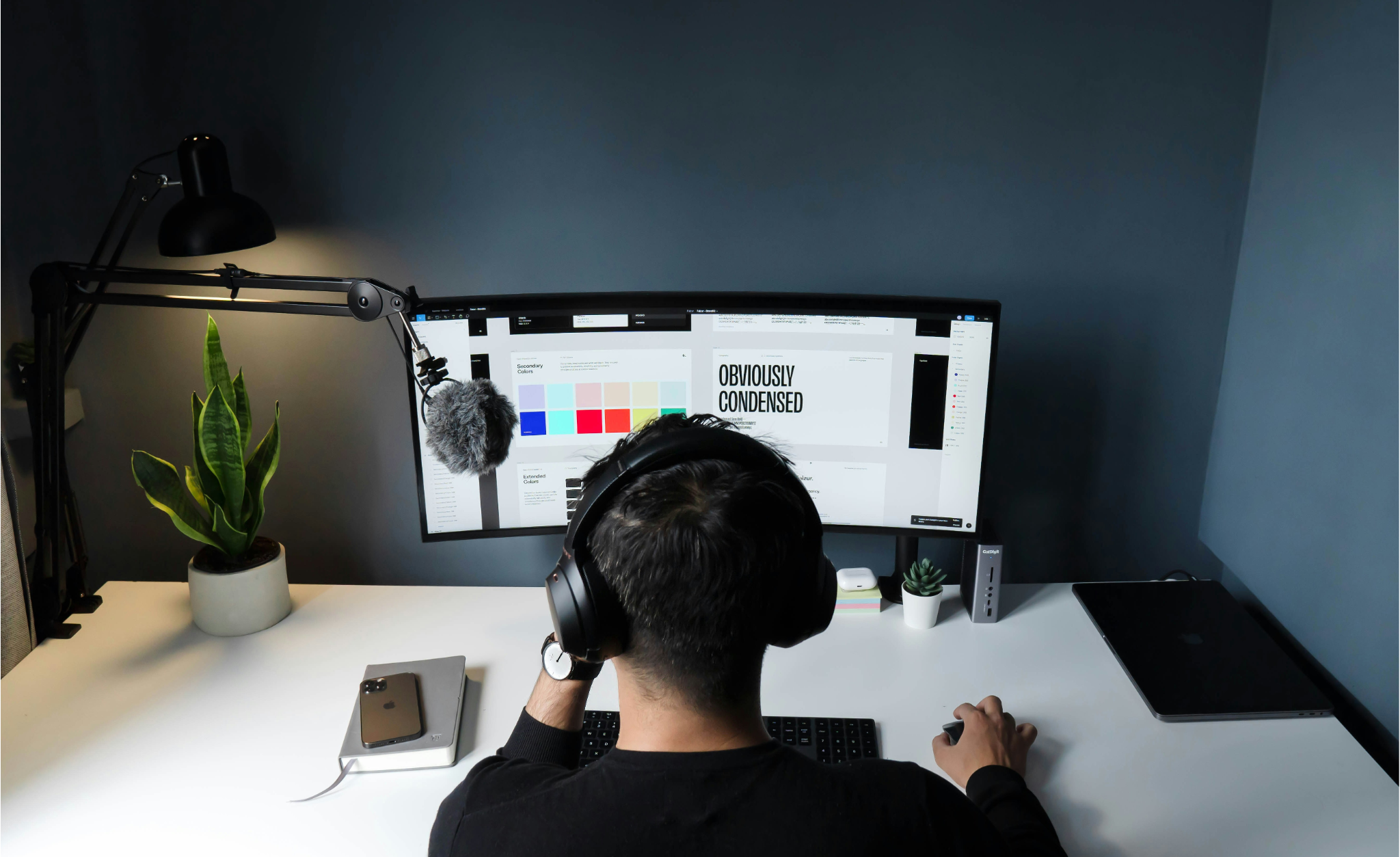
Software engineers, data scientists, and product managers remain among the most sought‑after remote professionals, especially in SaaS, fintech, and AI‑driven startups. Experienced developers and product leads can still command salaries from around 70,000 USD per year, often with fully remote or “work‑from‑anywhere” policies if they stay within certain time zones. For nomads, these roles offer rare stability plus the ability to negotiate flexible schedules around travel.
No‑code and low‑code specialists people who build internal tools, automations, and MVPs using platforms like Webflow, Bubble, or Airtable are also in growing demand as companies seek to prototype quickly without hiring full engineering teams. Combining basic coding literacy with strong problem‑solving and communication skills can position you as a remote product builder for agencies, startups, or your own projects.
A typical path might look like this: you start as a junior web developer or no‑code builder for small local clients, then gradually move to international agencies, and finally build your own templates, plugins, or niche SaaS products that create more leverage. Each step increases both your income and your flexibility, giving you more choice about where and how you travel.
Content, marketing, and creative work
Brands still need stories, sales pages, and educational content that resonate with specific audiences, which keeps demand high for copywriters, content strategists, and SEO specialists. Skilled writers who understand both narrative and search intent often work on monthly retainers or long‑term contracts, with rates ranging roughly from 30 to 80 USD per billable hour depending on niche and experience. Designers who work in UX, UI, and brand identity testing prototypes in tools like Figma and running interviews over Zoom slot naturally into distributed teams that rarely require in‑person meetings.
Performance marketers and growth specialists who manage paid ads, email funnels, and analytics dashboards also fit well with location‑independent work. Many operate as consultants, stacking a handful of 2,000–4,000 USD monthly retainers, which can easily support life in mid‑cost hubs or even some higher‑cost cities when managed carefully. As AI tools speed up content production, professionals who can connect data with human psychology positioning, offers, and messaging stand out even more.
To make this concrete, imagine a content strategist who starts with one or two blog‑writing retainers and gradually adds SEO audits, content roadmaps, and email sequences. Over time, that person can create their own digital products like templates or mini‑courses that generate additional revenue without more billable hours.
Operations, support, and people‑focused roles
Customer success managers, technical support specialists, and community managers help SaaS companies and memberships retain users and reduce churn, which makes them strategically important and relatively resilient to short‑term hiring freezes. These roles often require stable shifts aligned with a core region such as North America or Europe so many nomads choose destinations with time zones that roughly match their main customer base.
Online teaching and coaching continue to grow, especially in language learning, career change, and skill‑building for AI and digital tools. Professionals who turn their expertise into well‑structured programs or group cohorts can combine live sessions at premium hourly rates with self‑paced courses that generate more passive income over time. A teacher who once depended on hourly lessons, for example, might now run group cohorts plus a recorded curriculum hosted on a learning platform.
Emerging niches for 2026
Artificial intelligence is reshaping both risks and opportunities. There is rising demand for people who can design prompts, workflows, and ethical guidelines for AI tools inside organizations, blending domain expertise with practical AI literacy. Other emerging niches include sustainability consulting for travel and remote teams, community leadership in Web3 or creator‑led platforms, and specialized compliance support for global hiring and digital nomad visas.
For a curated, up‑to‑date list of the best remote jobs for digital nomads in 2026, with pay ranges and starter resources, read my dedicated guide to the best digital nomad jobs.
Top destinations for digital nomads in 2026
Picking the right base sets the tone for your work output, budget, and daily mood. Strong digital nomad destinations share a few traits: reliable internet above roughly 50 Mbps, safety and walkability, access to healthcare, visas that allow stays of at least 60–90 days, and a visible community of remote workers. In 2026, classic hubs remain popular while new regions rise thanks to better visas and more competitive costs.

Established hubs
Lisbon in Portugal keeps its status as a European favorite, thanks to a mild climate, strong startup scene, and access to the EU, though rising rents push some nomads toward surrounding towns and secondary cities. Portugal’s digital nomad‑friendly residence paths and relatively straightforward tax options continue to attract mid‑term stays, especially from non‑EU citizens looking for a soft landing in Europe.
Chiang Mai in Thailand remains a go‑to for first‑time nomads because of its affordable cost of living, vibrant café and coworking culture, and established support network for visas, SIM cards, and medical care. Mexico City stays high on many lists due to its six‑month tourist stays for many nationalities, rich culture, and strong food and arts scenes, though newcomers must pay close attention to neighborhood choice, safety, and housing regulations.
For each of these hubs, the “right” experience depends heavily on neighborhood choice. In Lisbon, for example, some nomads prefer central historic areas despite the hills and crowds, while others favor calmer districts with easier access to coworking spaces and public transport. In Chiang Mai, living near Nimman road feels very different from quieter residential neighborhoods a bit further out, even though the city itself is compact.
Emerging and alternative cities
Tbilisi in Georgia offers one of the more generous visa‑free regimes for many passports, along with improving infrastructure, affordable long‑term rentals, and easy access to mountains and wine regions. Other Eastern European and Balkan cities such as Tallinn, Zagreb, and Tirana are growing as medium‑cost bases with decent infrastructure and more digital nomad‑oriented communities than a few years ago.
Beyond Europe and traditional Southeast Asian hubs, nomads increasingly look to countries like Colombia, Brazil, and parts of Africa and the Middle East where new visas and improving infrastructure make longer stays more realistic. Cities like Medellín, Cape Town, and select coastal towns in Spain and Greece combine strong internet, dynamic local culture, and more moderate prices than top‑tier capitals. In these places, it is especially important to spend time learning about local safety norms, transport patterns, and housing contracts before committing to multi‑month leases.
A simple way to compare two potential cities is to list: real housing costs (not just what you see on social media), average co‑working prices, airport connectivity, safety ratings, and your alignment with the local climate and culture. This quick checklist can reveal whether the Instagram‑friendly city will actually support your daily work and wellbeing.
Visas and legal stay options
As of 2026, more than 50 countries offer some form of digital nomad visa or long‑stay remote work permit, each with different income thresholds, healthcare requirements, and tax implications. Some programs focus on high‑income applicants seeking residency in places like Spain, Portugal, or the UAE, while others aim to attract remote professionals to smaller economies eager to diversify beyond tourism. Before choosing a base, always cross‑check the latest visa rules for your passport, including renewal options and whether holding a nomad visa affects your tax residency status.
If you are choosing your next base right now, explore my detailed breakdown of the best digital nomad destinations in 2026 with budgets, visa links, and neighborhood suggestions.
Essential tools and apps for digital nomads
Gear that fails far from home drains focus and trust, while a lean, reliable tech stack keeps clients confident and your workday predictable. Your goal is not to carry a full office, but to assemble a compact kit that survives delayed flights, noisy apartments, and weak café routers.
Core hardware
For most knowledge work, a 13‑ or 14‑inch laptop with at least 16 GB of RAM and a fast SSD strikes the best balance between performance and portability. Pair it with a universal 100 W USB‑C charger, a small travel power strip, and noise‑canceling headphones that can handle both calls and co‑working chatter. Many nomads find a fold‑flat second screen or tablet helpful for managing complex dashboards or writing and research at the same time.
Backups are non‑negotiable. Combining cloud storage with an encrypted external SSD and basic version control habits can save you from both device theft and accidental file deletion. A sturdy daypack or carry‑on with laptop padding and lockable zippers helps protect everything during border crossings and crowded commutes. Over time, refining your packing list removing unused items and upgrading critical ones can make each travel day noticeably less stressful.
Connectivity and security
Staying online across borders is easier than ever thanks to eSIM marketplaces that let you buy local data before landing, often with regional plans that cover multiple neighboring countries. A compact travel router or hotspot, ideally with built‑in VPN support, can secure every device at once, especially when you must rely on untrusted Wi‑Fi in cafés, airports, and guesthouses.
Using a reputable VPN, password manager, and multi‑factor authentication on core accounts is essential when your work depends on client data and financial platforms. For sensitive roles like finance, legal, or healthcare‑related services consider additional steps such as hardware keys and clearer security agreements with clients. A small investment in security early on can prevent lost contracts or serious data incidents later.
Productivity, collaboration, and admin
Project management tools like ClickUp, Notion, or Asana centralize tasks, documents, and deadlines when you juggle multiple clients or teams across time zones. Async communication tools recorded Loom videos, detailed Slack updates, or structured email summaries reduce meeting load while keeping everyone aligned. A password manager, digital signature platforms, and simple automation tools for invoices and reminders can remove much of the admin friction.
On the finance side, borderless accounts and multi‑currency cards simplify getting paid and spending abroad, often at better exchange rates than traditional banks. Apps for expense tracking, receipt scanning, and mileage logging make it far easier to stay organized for both budgeting and tax filings later. Wellness tools from meditation apps to bodyweight workout coaches help you maintain routines when your environment keeps changing.
Common mistakes include traveling with a laptop that is already struggling, skipping backups, relying only on public Wi‑Fi, and using the same weak password everywhere. Addressing these points before you leave will save countless hours and headaches on the road.
To see the exact gadgets, apps, and setups that survive real‑world travel, take a look at my hand‑picked list of essential digital nomad tools and gear for 2026.
Managing finances and taxes as a digital nomad
Money that crosses borders needs structure, or it quickly becomes a source of constant background stress. The goal is not to become a full accountant, but to put in place a simple system that separates personal spending from business cash flow, tracks where you are physically present, and keeps you ahead of tax obligations instead of reacting at the last minute.

Banking, budgeting, and safety nets
Start by separating your finances into at least two main accounts: one for receiving client or salary income, and another for everyday spending in your current location. Many digital nomads use borderless bank accounts or fintech platforms that support multiple currencies, offer virtual cards, and reduce conversion fees compared to legacy banks. A basic rule of thumb is to hold a three‑ to six‑month cash buffer in a stable currency so that a lost client, visa delay, or medical issue does not force you to abandon your plans.
Track expenses in real time using an app or simple spreadsheet, tagging each expense by country and category so you can see patterns after a few months. This not only helps with budgeting, but also provides a clear record if you later work with a tax professional or need to prove your main country of residence. Building the habit of weekly reviews and monthly reconciliations will keep your financial picture clear even if your locations change often.
As a practical example, imagine a year where you spend four months in Portugal, three in Thailand, and five in Mexico. A simple tracker with dates, countries, incomes, and expenses will allow a tax advisor to quickly identify where you may have obligations and where you are clearly a tourist, saving both time and stress.
Tax residency, compliance, and insurance
Tax rules focus less on your passport and more on where you actually live and earn. Many countries use some version of the “183‑day rule,” which treats you as a tax resident if you spend more than half the year there, combined with “center of vital interests” tests that consider where your main home, family, and economic interests sit. Because digital nomads often move several times a year, it is easy to trigger obligations in more than one country without realizing it.
Using a travel log calendar, app, or spreadsheet to record your days in each country, along with entry and exit stamps, makes it much easier to understand your risk profile and speak clearly with a cross‑border tax advisor. When possible, consult a professional before the end of your first nomad year, especially if you have a company, high income, or plan to use specific visas that may come with implicit tax expectations.
Healthcare and insurance are another pillar. A combination of global health coverage (including emergency evacuation) and local plans in places where you stay for several months often offers the best balance between protection and cost. Some digital nomad visas require proof of comprehensive coverage, so aligning your insurance with your legal status can prevent both application delays and uncovered emergencies.
If you need a step‑by‑step playbook on banking setups, tax residency, and staying compliant as you move between countries, visit my in‑depth guide to digital nomad taxes and finances in 2026.
How to start your digital nomad journey (step by step)
Leaving a fixed address feels daunting until you break the leap into a series of practical moves. Instead of trying to “become a digital nomad” overnight, treat it as a one‑ to two‑year transition with clear checkpoints and reversible experiments.
Step 1: Clarify your why and your income
Begin by defining why you want this lifestyle: lowering costs, accessing specific markets, learning languages, or spending more time with loved ones in other countries. Clear motivations will guide your destination choices and help you say no to offers that do not align. In parallel, audit your skills to see which ones can be delivered fully online writing, design, coding, coaching, operations and identify a realistic target income for your first remote year based on your current expenses plus a buffer.
Aim to secure at least one stable income stream that reliably covers your baseline monthly costs before you leave this might be a remote job, a long‑term freelance retainer, or recurring revenue from an online service. Building a three‑month cash cushion on top of that baseline will give you room to adapt without panicking if a client leaves or costs are higher than expected in your first city. A simple way to start is to keep your current living situation, find your first remote clients or job, and only then plan your first international move.
Step 2: Test your setup at home
Before buying a one‑way ticket, run a “home‑field” pilot week where you live as if you were already a digital nomad: work from cafés or co‑working spaces, rely on mobile internet, and manage your tasks asynchronously. This will reveal gaps in your gear, workflows, or habits while you still have your usual safety net.
Use this period to streamline your digital life: organize cloud storage, centralize passwords, standardize your invoicing, and define communication norms with clients or managers. The more predictable your work systems feel, the easier it will be to handle the extra mental load of new cities, languages, and logistics once you are actually on the road. Treat this test as a rehearsal where mistakes are cheap and easy to fix.
Step 3: Choose your first base
For your first destination, resist the temptation to chase the most exotic spot and instead choose a proven digital nomad hub that matches your passport, budget, and time‑zone needs. Filter options by visa length, cost of living, safety, healthcare access, and community depth; then plan to stay at least one to three months to build routines and avoid decision fatigue.
Join local online groups, Slack communities, or Meetup events before landing so you already know where to find coworking spaces, language exchanges, or weekend trips. Book accommodation with reliable reviews for Wi‑Fi and workspace for your first weeks, and consider upgrading only after you have walked the area and understand noise levels, commute times, and local amenities. A simple pre‑departure checklist visa, insurance, accommodation for the first two weeks, backup cards, and emergency contacts can dramatically reduce stress.
Step 4: Iterate, don’t chase perfection
Set a review point around day 15 and again at the end of your first month to honestly assess what is working and what feels unsustainable. Adjust your schedule, workspace, or social habits rather than assuming you chose the wrong country. Over time, your travel pace, preferred climates, and ideal city size will become clear, allowing you to design a rotation of favorite bases rather than starting from zero each time.
Treat your first year less as a “dream life” and more as a structured experiment. Keep notes on each destination, from internet quality to visa processes and personal wellbeing, so future decisions rest on real experience instead of social media impressions. A few small tweaks like shifting your workday earlier, choosing quieter neighborhoods, or limiting the number of moves per year often matter more than finding the “perfect” city.
For a full, actionable roadmap you can follow from your current job to your first year on the road, go through my step‑by‑step guide on how to become a digital nomad in 2026.
Conclusion
Building a sustainable digital nomad life in 2026 means combining practical systems with flexible curiosity. The backbone comes from steady online income, carefully chosen destinations or visas, and disciplined money and health management; the joy comes from using that structure to explore new cultures without constant financial or legal stress. Success rarely arrives through a dramatic leap but through small, repeated actions sending one more pitch, improving one workflow, or choosing a base that supports your work rather than fights it.